Skip to content


You might think it’s the worst possible time to step into the garden. February is cold, often wet and rarely encouraging. Most of us look outside, note the bare borders and damp furniture and promise ourselves we’ll deal with it when spring arrives. But February is when the garden gives you the most useful information.
With everything stripped back, it’s easier to see how the space is put together. You can see whether paths flow naturally or feel improvised, and whether seating suits how you actually use the garden. Winter also shows which materials and furniture were chosen to last, and which struggled once the weather turned.
Although it may be cool or downright cold, there’s still plenty worth doing now. So, here’s what to do in the garden in February, so that it looks effortless and ready when spring arrives.
Essential Garden Tasks
February is less about visible progress and more about setting things up properly. Done well, these quieter jobs save time later and prevent problems that only show themselves once growth speeds up:
Pruning With Purpose
Late winter pruning is as much about restraint as it is about action. Start by removing dead, damaged or crossing branches, as these restrict airflow and encourage disease risk. Deciduous shrubs and climbing roses respond well to careful pruning now, while fruit trees benefit from shaping that improves structure rather than size. This remains one of the most reliable February garden jobs UK gardeners return to every year.

Clearing Without Stripping the Garden Bare
Clear fallen leaves from lawns and borders to prevent moisture building up, but avoid over-tidying. Seed heads and sheltered areas still provide valuable protection for wildlife. Lift collapsed stems, check drainage and remove moss or algae from paths before they become slippery. These simple steps are winter garden care tips that UK homeowners often appreciate later.
Soil Preparation While Conditions Allow
If the soil is not frozen or waterlogged, February is an excellent time to improve its condition. Lightly fork over beds to relieve compaction caused by winter rain, then work in well-rotted compost or leaf mould to restore structure and nutrients. Try not to walk directly on bare soil, as this reverses the benefits.
Checking Boundaries and Hard Landscaping
Cold, wet weather is unforgiving on edging, raised beds and retaining features. Inspect timber, stone and metal supports while everything is still visible and planting has not begun. It is the kind of detail-focused work that defines good winter garden maintenance in the UK, and it pays off in how smoothly the garden functions once the growing season begins.
Furniture Checks
Outdoor furniture tends to be ignored through the colder months. A few careful checks now help protect materials and improve how the space functions once the garden comes back into use:
Cleaning With Restraint
Avoid aggressive cleaning at this stage. Timber, particularly teak, benefits from a gentle approach using warm water and a soft brush to remove surface grime and algae. This preserves the natural oils that allow the wood to cope with moisture and temperature changes. Understanding how to prepare outdoor furniture for spring often comes down to knowing when not to over-treat it.

Assessing Condition and Longevity
February is a useful time to assess garden furniture without cushions or styling. Check joints, slats and fixings for movement and sit on each piece to test its stability. Well-made furniture should still feel solid after months outdoors. Teak, in particular, settles rather than deteriorates, developing a natural patina that reflects durability and makes it a reliable year-round choice.
Storage Decisions That Protect Materials
If furniture needs storing, opt for dry, well-ventilated conditions rather than sealed covers that trap moisture. Teak can remain outdoors, but good airflow helps prevent surface mould and staining. Cushions and textiles are best kept indoors until temperatures stabilise. These small decisions extend furniture life and reduce the need for replacement when spring arrives.

Reviewing Layout
February gives you the rare chance to assess the layout without distraction. With borders cut back and lawns at rest, it becomes clear how the garden actually functions from day to day. Here are some garden preparation tips for early spring:
- Look first at seating zones. Pay attention to how they relate to doors, paths and shelter from prevailing winds. Seating should feel settled and easy to approach, with enough room to move around it without cutting across beds.
- Dining areas deserve the same practical eye. Check the route from the house, the surface underfoot and how the table sits within the wider space. Small shifts made now often remove everyday frustrations later, when the garden is in constant use.
- Finally, consider flow. Walk the garden as you would on a normal afternoon and notice where movement feels awkward or interrupted. Correcting these pinch points now supports smoother use in the months ahead.
Early Styling Ideas
Early styling in February works best when treated as planning rather than decoration. With planting still pared back, it becomes easier to decide where lighting, structure and focal points will have the greatest effect once growth returns.
Path lighting can be positioned now to define movement and improve safety, then blend quietly into the garden later. Permanent elements such as planters, screens or feature pieces benefit from careful placement at this stage, when scale and balance are easy to judge.
These decisions help prepare the garden for spring in a considered way, so the space works naturally once the season changes.
Planning Ahead For Spring and Summer
February has a way of cutting through guesswork. When growth is paused and colour is limited, the garden shows you how it really functions. Hopefully, this well-thought-out checklist helps you spot what flows easily, what feels awkward and which choices were made for convenience rather than longevity.
As you work through that February gardening checklist, another consideration tends to surface: furniture. UK winter weather quickly reveals which materials cope with damp and cold, and which demand constant attention. This is where long-term choices matter.
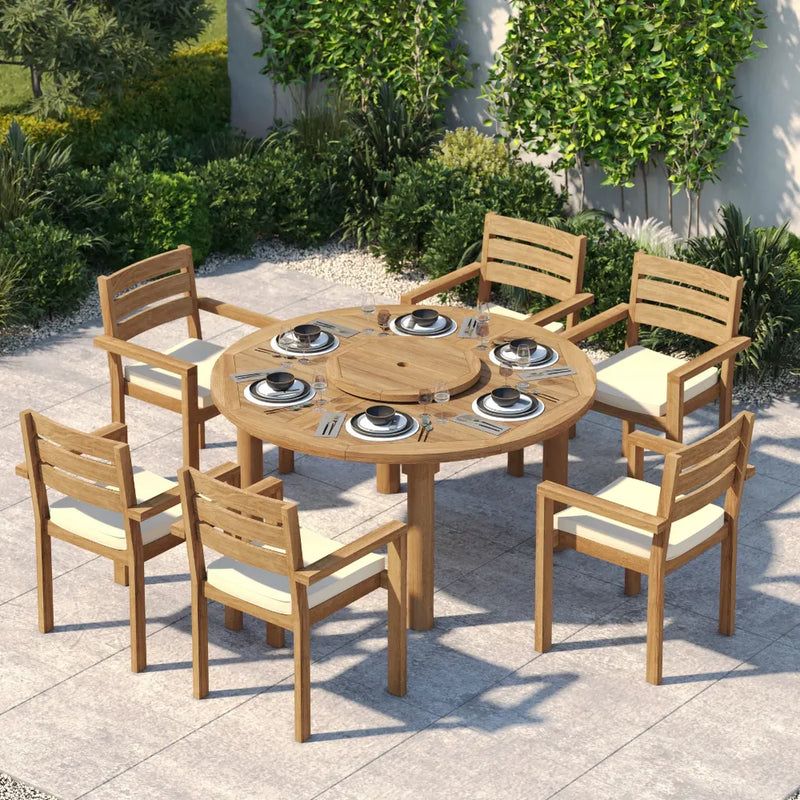
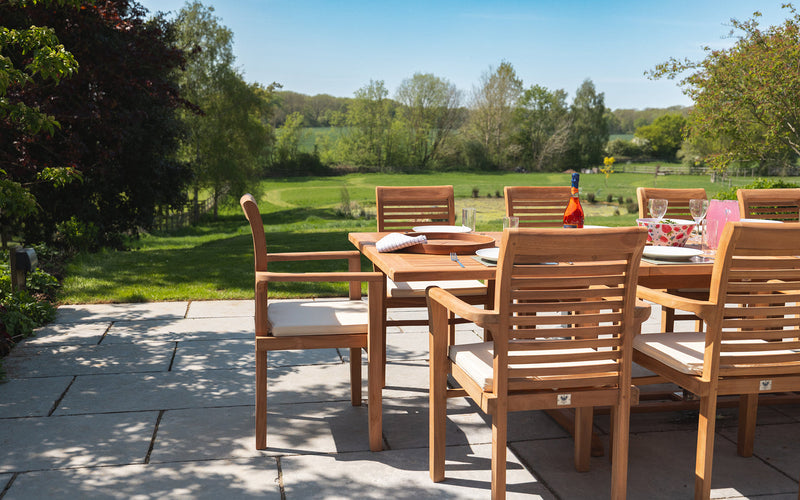
Well-made teak furniture, like our collections from Luxus Home & Garden®, doesn’t need to be packed away once the weather turns. It sits comfortably through the season, ageing slowly and evenly, forming a dependable base around which the rest of the garden can change.
Explore our collection and start building a garden that feels settled in every season.