Skip to content


Some furniture draws attention immediately. Other pieces grow on you, revealing their beauty over time. Mango wood furniture belongs firmly in the latter. With its golden tones and expressive grains, it brings a sense of ease and authenticity to space, whether indoors or out. Increasingly chosen by homeowners and interior designers alike, mango wood reflects a shift towards materials that feel considered and quietly luxurious rather than overtly ornate.
Sourced from the same tree that bears the tropical fruit, mango wood is finding a growing place in modern interiors as well as outdoor and garden furniture collections. As its presence becomes more noticeable, many are asking what truly sets mango wood apart and why it is increasingly seen as a preferred choice in design-led homes.

How Is Mango Wood Derived?
Mango wood is harvested from the tree once it naturally stops producing fruit, typically after 15 to 20 years. Instead of cutting down trees prematurely, farmers responsibly repurpose mature mango trees, giving the wood a second life.
The timber is then used to craft sustainable wooden furniture and flooring, allowing functional pieces to carry a story of responsible sourcing and considered use of natural resources.
Why Has Mango Wood Grown in Popularity?
Mango wood has moved steadily from being a lesser-known material to a sought-after choice in furniture design. This shift reflects a growing preference for furniture that feels more personal and expressive, while also being grounded in natural materials.
Its warm tones and distinctive grain patterns, combined with practical advantages such as sustainability and durability, appeal to those looking beyond traditional hardwoods for something with character.

The Visual Charm of Mango Wood
Mango wood furniture stands out for its natural visual depth. The wood is available in a range of hues, including warm-golden shades and honey-brown tones, often layered with darker streaks and pronounced grain patterns. Each piece carries its own variations, making no two items exactly alike.
Natural knots and subtle texture variations are part of its charm, lending mango wood a sophisticated, organic look that works well in modern and outdoor settings.
Durability That Comes Naturally
Mango wood’s dense structure allows it to hold up well to everyday use, making it suitable for both indoor and outdoor furniture. When properly maintained, it retains its shape and finish over time without requiring excessive maintenance.
Its sustainability is a key reason behind its rising popularity. Because the wood is sourced from trees that have completed their fruit-bearing cycle, mango wood supports responsible forestry practices and reduces pressure on slower-growing hardwood species.

Furniture That Feels at Home Anywhere
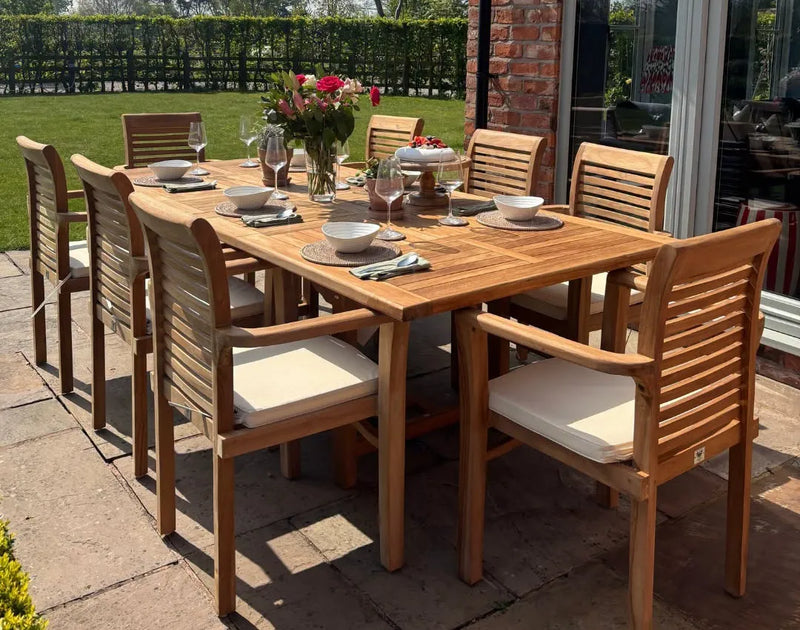
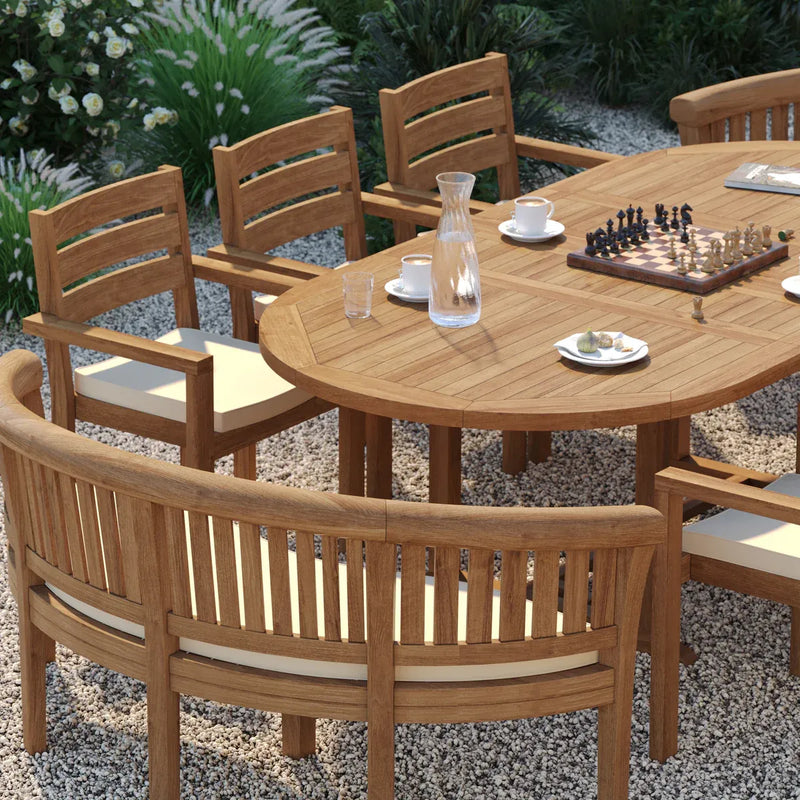
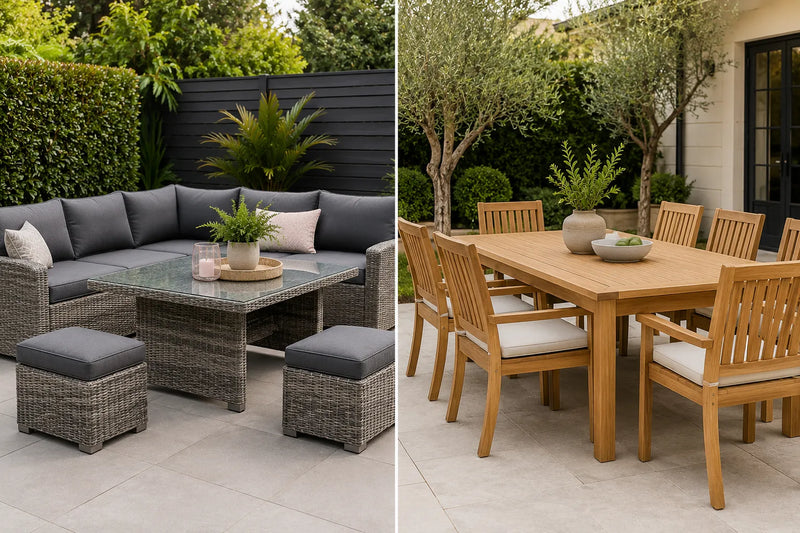
Mango wood works particularly well in outdoor and garden furniture, where warmth and durability matter equally. Its natural finish helps outdoor spaces feel inviting and considered, rather than purely functional.
The balance between classic character and contemporary appeal makes mango wood suitable for a wide range of furniture pieces, including dining tables, coffee tables, benches and stools.
Why Craftsmanship Matters
The quality of mango wood furniture depends largely on how it is crafted. Proper seasoning reduces movement and cracking, while precise joinery improves long-term strength and stability. These processes are especially important for furniture intended for regular use or outdoor conditions.
Attention to craftsmanship also influences finish and durability. Careful sanding, even coatings and protective treatments help mango wood maintain its appearance and resist wear over time. When manufacturing standards are consistent, furniture can be chosen with confidence, even when purchased online.

How to Care for Your Mango Wood Furniture
One of the reasons why mango wood appeals to modern homes and outdoor spaces is its relatively low-maintenance nature. With simple care, it retains its strength and appearance.
- Regular dusting with a soft, dry cloth helps preserve the natural finish of mango wood garden furniture while preventing buildup. For deeper cleaning, a lightly damp cloth with mild soap is usually sufficient. The wood should never be soaked, and harsh chemicals should be avoided.
- Although mango wood is durable, it is best to limit prolonged exposure to standing water, especially for outdoor pieces. Using coasters, mats, or trays helps prevent marks from hot dishes, drinks or planters placed directly on the surface.
- Applying a suitable wood oil once or twice a year can refresh the finish and bring out the richness of the grain. This occasional conditioning keeps mango wood looking well cared for with minimal effort.

Final Thoughts
Mango wood furniture brings together warmth, durability, visual interest and ease of care in a way that feels both practical and purposeful. Its distinctive grain, natural tones and sustainable origins make it a thoughtful choice for indoor and outdoor spaces alike. With quality craftsmanship, mango wood balances traditional charm with modern living, proving that beauty does not have to come at the cost of high maintenance.
At Luxus Home & Garden®, we craft mango wood pieces that age gracefully and adapt effortlessly to everyday use. To experience this balance of style and practicality, explore our handcrafted mango wood and teak outdoor furniture and add timeless character to your home.